
Starting at pollen, ending at the moon — Purple Whale's full session
Four songs. The first and the last both come from nature.

In three lines
- NONOL LIVE has the full-length version of Purple Whale's live session.
- The four songs are 'Pollen', '사랑하자', '붉은 등' and 'Moon'.
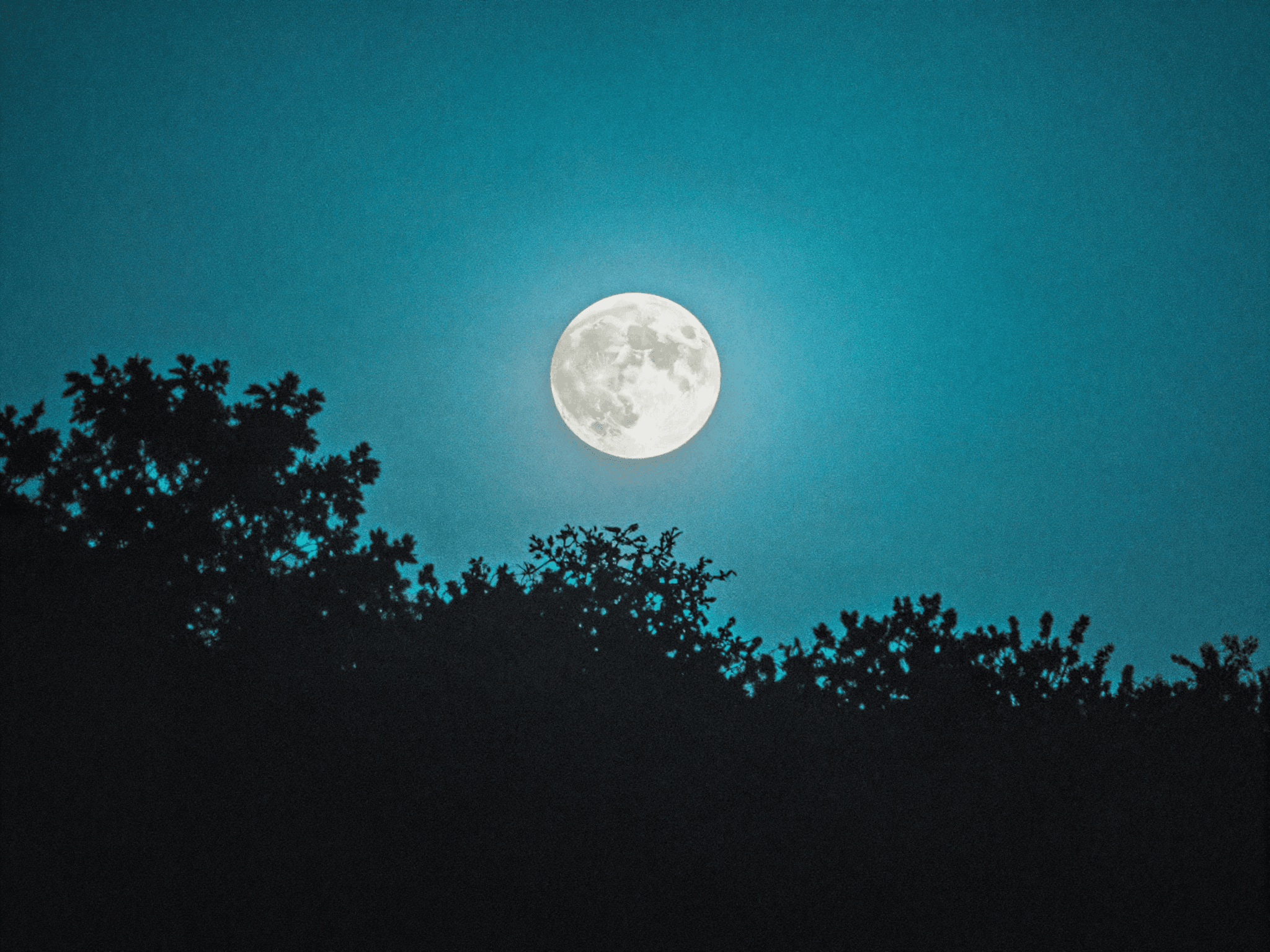
- The first song is pollen; the last is the moon.

The order of the four songs
Line the titles up in sequence and it looks like this.
| Order | Song |
|---|---|
| 1 | Pollen |
| 2 | 사랑하자 |
| 3 | 붉은 등 |
| 4 | Moon |
It starts outside, comes inward, and goes back out. Pollen and the moon are both things no one controls; the two songs in between are on the human side.
'사랑하자' is phrased as an invitation — let's love. As a sentence that proposes something, it sits one step further along than the song before it. '붉은 등' is a noun with a colour attached: it could be a signal, or a lamp.
An order like that doesn't happen by accident. It's the trace of choosing the songs and then thinking once more about how to arrange them.
What it means to hear a band up close
NONOL LIVE keeps the stage and the audience close. With a band, that distance arrives as pressure in the sound.
It isn't a sound tidied up through a PA — it's the sound coming off the instruments, passing through the room once, and reaching you. The low end of the drums comes up through your feet, and you hear the guitar's tail hit the wall.
The near-absence of editing matters a great deal too. A beat slipping in the ensemble, a voice cracking — those stay. In band music, it's usually better not to erase them.
Between two English titles
Only the first and last songs are in English. The two in the middle are in Korean.
That arrangement puts the session in brackets. The outer two become the frame; the inner two become the content.
Ending on 'Moon' is a natural close. The moon belongs at the end of a day, and it sits well at the end of a set too. Finish on a song with lower brightness and the afterglow runs longer.
Today, like this
Try this session at night. The last song is the moon, so it suits a dark window.
You can turn it up a little. Band arrangements, unlike R&B, need the sound to mass together. Rather than picking out each instrument, listen to it as one body.
Four songs is a fitting amount to take the measure of a group. The first leaves an impression, the third settles your judgment, and the last decides whether you come back.
A new song has arrived at the playground today.
Share
Sources

NONOL Editorial
The NONOL Magazine editorial team — we hear it first, then pass it on.
Keep reading
'오늘 기일이야' on a phone, then '잘자 친구야' on a curtain: NONOL's music video for Kim Hayan (김하얀), 'HOO WOO WOO'
In the black-and-white video, a phone shows the message '오늘 기일이야' ("today is the anniversary of the death"), and after the song ends and the sound is gone, '잘자 친구야' ("good night, my friend") is written stroke by stroke on a white curtain. The only red is the word 'DREAM' at the start and the end.
NONOL Editorial·
The clock sits at 'AM 04:30' until 2:35, then heads for morning: NONOL's music video for Bumpiz (범피즈), 'AM 04:30' (새벽 4시 반)
The clock in the corner of the screen sits at 'AM 04:30' until 2:35, then jumps to 05:08, 06:29 and 07:12 each time the black and white turns teal, red and pink. In the lyrics, '새벽 4시 반' (half past four in the morning) is sung only once, at 1:09.
NONOL Editorial·
The first line comes back at 3:04, and so does the sunlight: NONOL's music video for Han Byeong-ho (한병호), 'Geuttaero' (그때로)
A ballad that opens with '우리 행복했던 그때로 돌아가고 싶어요' ("I want to go back to the happy time we had") and returns to the same line at 3:04. Right then the picture goes back to the sunlit shot from 0:16, and when the bass comes in on '손잡고 가자' ("let's go hand in hand"), two people take each other's hands and run.
NONOL Editorial·