
On a song that tells you not to die
Kang Baeksoo's EP '소혼돈' arrived yesterday. The first track's title is an imperative.

Songs usually ask, or confess. Songs that command are rare.
'죽지 말라' is an imperative. Not a suggestion, not a request — an instruction not to.
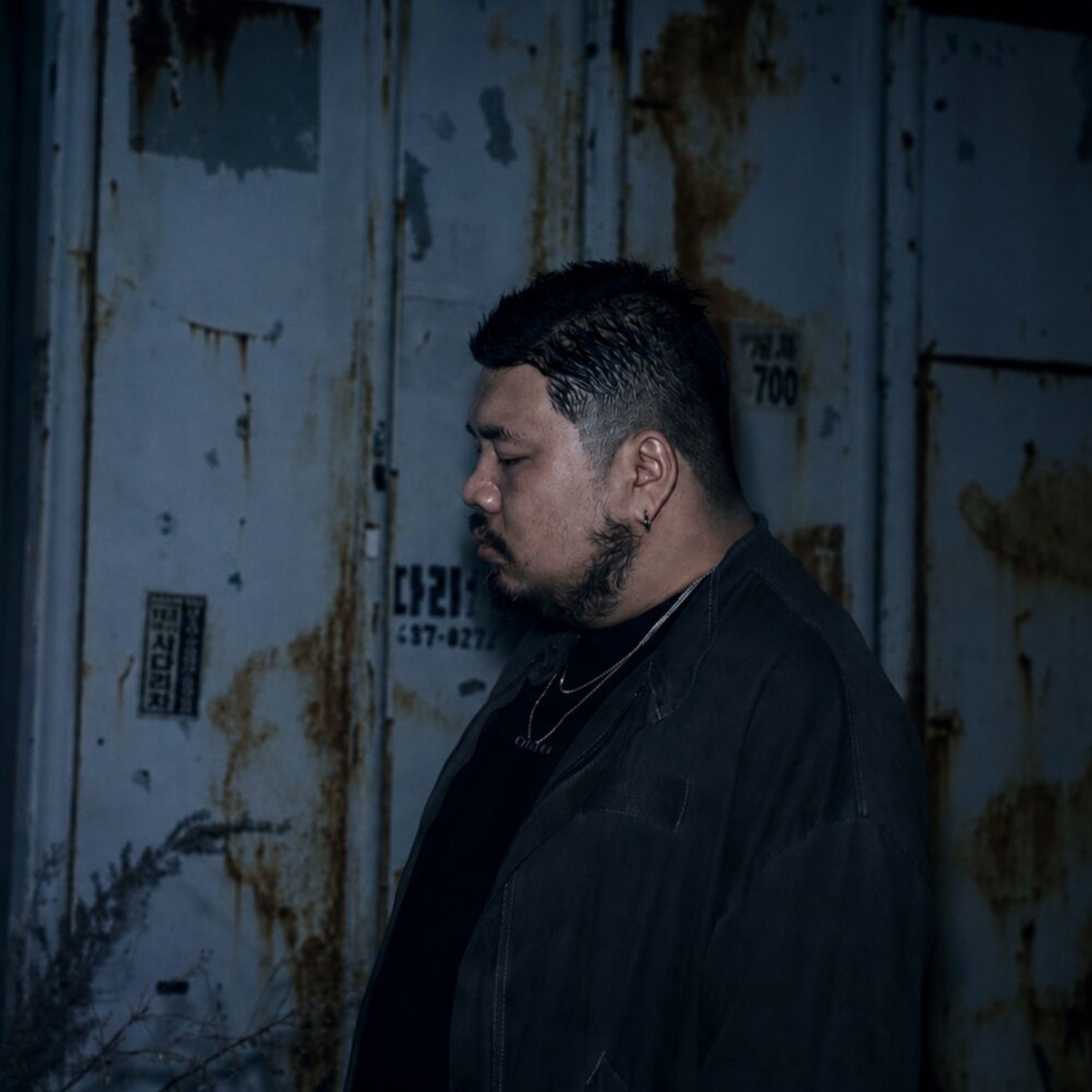
What arrived yesterday
| Item | Detail |
|---|---|
| Artist | Kang Baeksoo |
| Album | EP '소혼돈' |
| Release | August 22 |
| Tracks | 죽지 말라 · 6번 출구 · 미워하지 않아요 · 20 · 서로 |
| Music video | '죽지 말라' |
| Alongside | A new essay collection planned within the year |
A title in the imperative
'죽지 말라' is a command — a negative one at that. Not do this, but don't.
Song titles in the imperative aren't common. A song generally states the speaker's mind rather than instructing the listener; the moment it instructs, the relationship stops being level.
But this command works differently. Telling someone not to die is closer to a plea borrowing the form of an order. It's the kind of sentence that grows more desperate the more forcefully it's said.
The tone is command; the position is below. That's how the title operates.
An album named 'small chaos'
The album title, '소혼돈', reads as small chaos.
Chaos isn't a word that takes measurement. It names an unordered state without asking how large that state is.
Attach 'small' and the chaos shrinks to something manageable. Large chaos is disaster; small chaos is daily life.
The track titles match that scale. '6번 출구' is one exit of a subway station, '20' is a single number, and '서로' names the space between two people. All of them hand-sized.
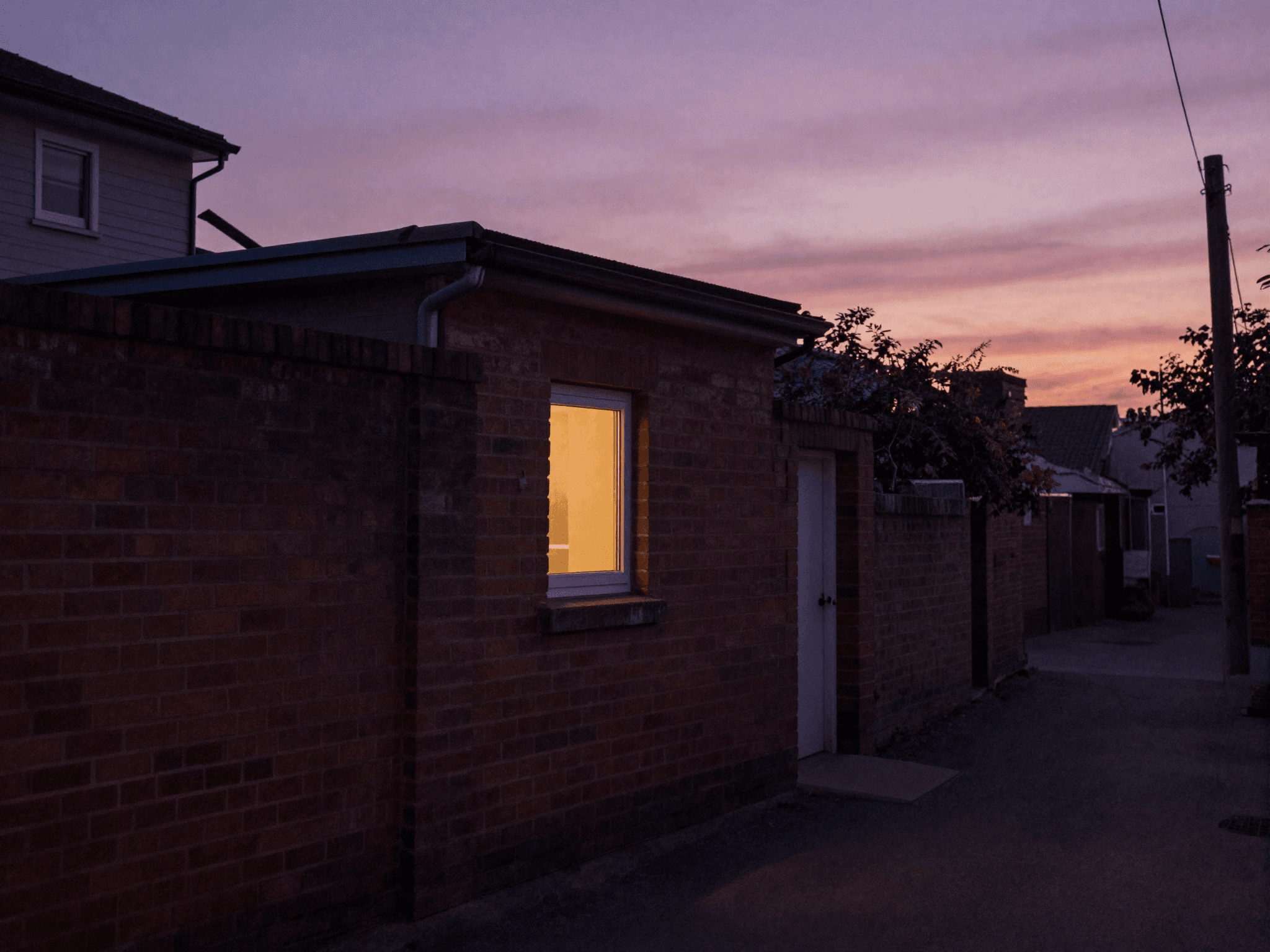
Drawing from an alleyway
The EP is introduced as having been drawn from the alleys of Baekseok-dong — a specific neighbourhood named in the album's description.
Naming a place narrows a song. A story that could be anywhere becomes that neighbourhood's story. In exchange, it becomes concrete.
'6번 출구' is the example. Exit 6 exists at any number of stations, but in this song it will be one particular Exit 6. A numbered exit is an exact location only to someone who has been to that station.
Someone who does both music and writing
Kang Baeksoo said the plan is to increase live performances from this EP onward while publishing a new essay collection within the year.
Someone who writes both songs and prose handles sentences two ways. In songs you repeat and fold; in prose you unfold and continue.
A short, hard title like '죽지 말라' belongs to the song grammar. Four syllables, finished, no explanation attached. Write the same content as prose and reasons and background have to follow.
When one person moves between the two forms, here's what to check: what gets said on one side that couldn't be said on the other.
Tonight, try it like this
Start with '죽지 말라' alone. The title is an imperative, so check whether the song holds that tone inside it.
Then play the five in order. You'll see how small-scale titles like '6번 출구', '20' and '서로' gather under a name like 'small chaos'.
Last, read the title again. Telling someone not to die requires someone to tell. It isn't a thing you can say in an empty room.
Some pleas only come out by borrowing the form of a command. '죽지 말라'.
Share
Sources

NONOL Editorial
The NONOL Magazine editorial team — we hear it first, then pass it on.
Keep reading
Before 'GO HARD': a MEOVV starter guide, six scenes from 'MEOW' to 'DDI RO RI'
Ahead of the single album 'GO HARD' at 6 p.m. today, we picked six title tracks, from the debut song 'MEOW' to June's 'DDI RO RI', with one scene to watch first for each.
NONOL Editorial·
Five RESCENE songs on the Bugs weekly chart, for 10 weeks: scenes to watch first, from 'LOVE ATTACK' to 'Runaway'
Five of the 100 songs on the Bugs weekly chart for the last week of September are by RESCENE. In the 10th week of all five being in the top 100 together, we lay out the rank history and a scene to watch first in each song.
NONOL Editorial·
WE MEET, WE LEAVE, WE MEET AGAIN: 7 things you missed in I.O.I's 'Suddenly' music video
The title track of a mini album about a story that reconnected after ten years. As the drums drop out at 2:28, the ten stand in a row, and after 34 seconds of "la la la," 'WE MEET AGAIN' appears at 3:16.
NONOL Editorial·