
On the hour when missing it means walking — Splayit, 'Makcha'
Released August 13. What decides the end of a day isn't the clock — it's the timetable.

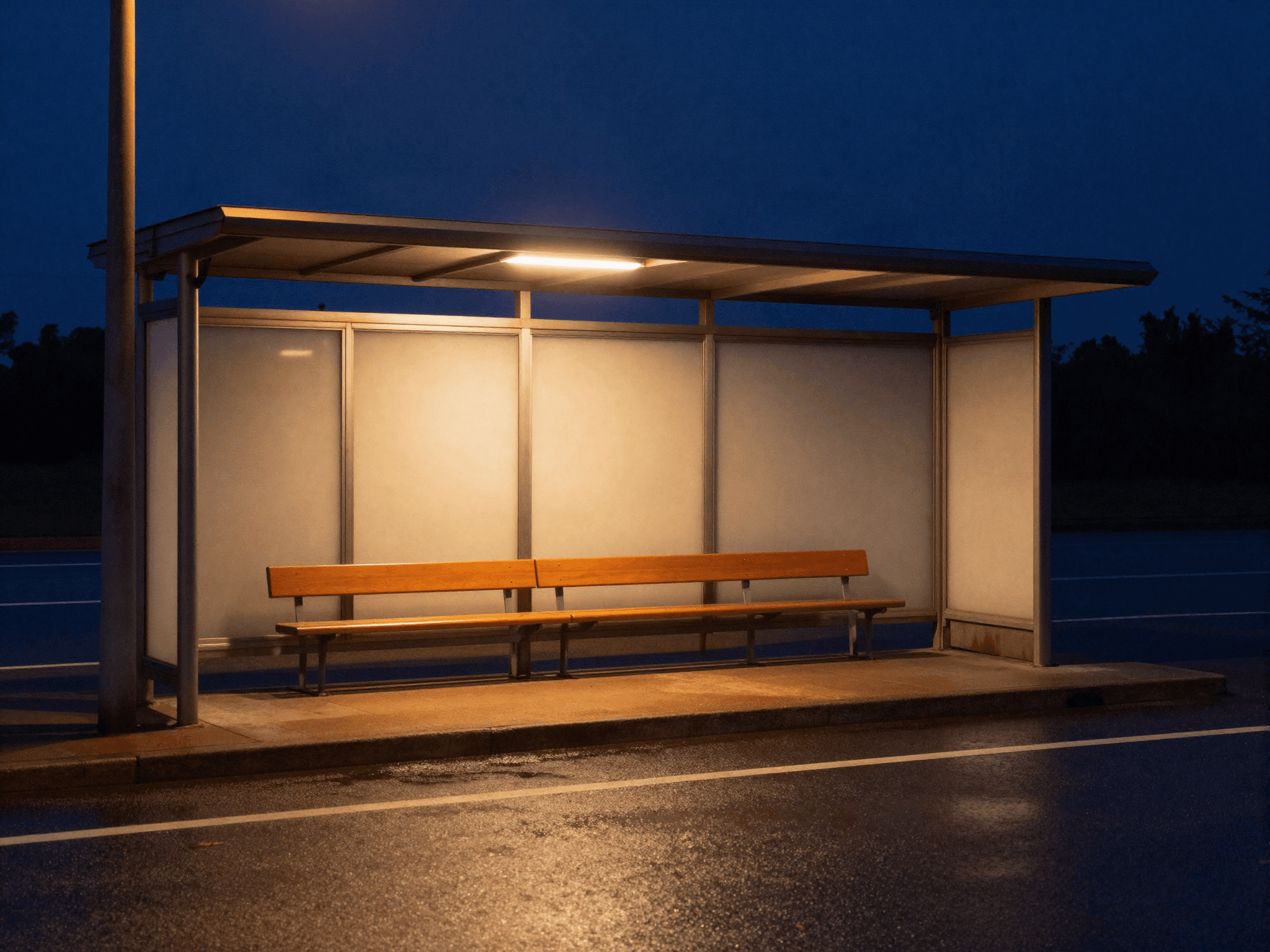
The hour a day ends isn't midnight. It's whenever the last ride leaves.
A clock cuts the day into twenty-four equal pieces, but the day we actually live doesn't split that way. Past a certain hour your options shrink; past another, they're gone entirely. What draws that line isn't the clock — it's the timetable.
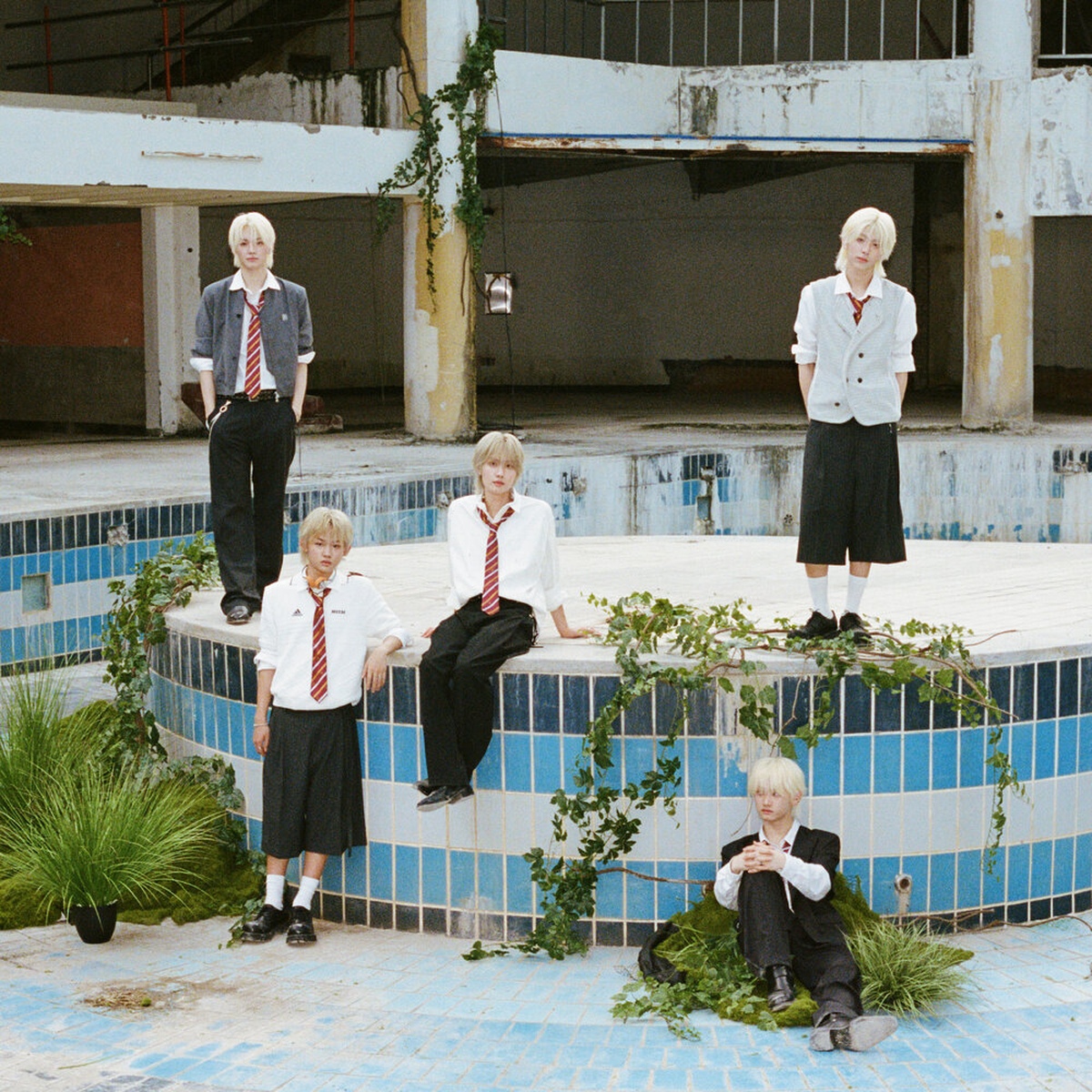
What arrived yesterday
| Item | Detail |
|---|---|
| Artist | Splayit |
| Song | 'Makcha' (막차) |
| English title | Last bus |
| Release | August 13 |
The thing that has 'last' in its name
The Korean word makcha (막차) already has a story folded into it. A ride is just a ride, but the last one is something you can miss. And if you miss it, you pay for it.
So putting that word in the title builds tension before the song even starts. You go into the first line already wondering whether they made it or not. The title asked the question on your behalf.
The English title is 'Last bus'. The Korean 막차 never says whether it's a bus, a subway, or a train, but the English pins it to a bus. The translation came out narrower than the original — and that narrowing settles one detail of the song's setting for you.
Between the last ride and the first
Miss the last ride and you're usually left with three options. Walk, spend money, or wait for the first ride of the morning.
The three aren't the same kind of choice. Walking spends time, a taxi spends money, and waiting spends nothing at all. Same situation; what separates people is which one they agree to give up.
That's why songs about the night have been written for so long. Night turns into a story not because it's sentimental, but because it's the stretch where options run out. In the daytime something can always be worked out. At night it can't.
Today, try it this way
Listen to the song first. Forget the title while you listen and it stays unclear whether this is a song by someone who missed it or someone who caught it. Whether that ambiguity survives is the first thing to check.
Then read the lyrics. Count how many times the word makcha turns up, and note whether it lands at the beginning or the end. At the beginning it's setting the scene; at the end it's a conclusion.
Finally, look up the actual last-ride times where you live. Surprisingly few people know exactly when the last one leaves their own neighborhood. Once you know that hour, the song sounds a little different.
What decides the end of a day isn't midnight. That hour has a name of its own. 'Makcha' (막차).
Share
Sources
- 1.[1theK] [MV] Splayit(에스플릿) _ Last bus(막차) ↗
- 2.[Apple Music] 에스플릿 — 막차 (2026-08-13) ↗

NONOL Editorial
The NONOL Magazine editorial team — we hear it first, then pass it on.
Keep reading
Before 'GO HARD': a MEOVV starter guide, six scenes from 'MEOW' to 'DDI RO RI'
Ahead of the single album 'GO HARD' at 6 p.m. today, we picked six title tracks, from the debut song 'MEOW' to June's 'DDI RO RI', with one scene to watch first for each.
NONOL Editorial·
Five RESCENE songs on the Bugs weekly chart, for 10 weeks: scenes to watch first, from 'LOVE ATTACK' to 'Runaway'
Five of the 100 songs on the Bugs weekly chart for the last week of September are by RESCENE. In the 10th week of all five being in the top 100 together, we lay out the rank history and a scene to watch first in each song.
NONOL Editorial·
WE MEET, WE LEAVE, WE MEET AGAIN: 7 things you missed in I.O.I's 'Suddenly' music video
The title track of a mini album about a story that reconnected after ten years. As the drums drop out at 2:28, the ten stand in a row, and after 34 seconds of "la la la," 'WE MEET AGAIN' appears at 3:16.
NONOL Editorial·